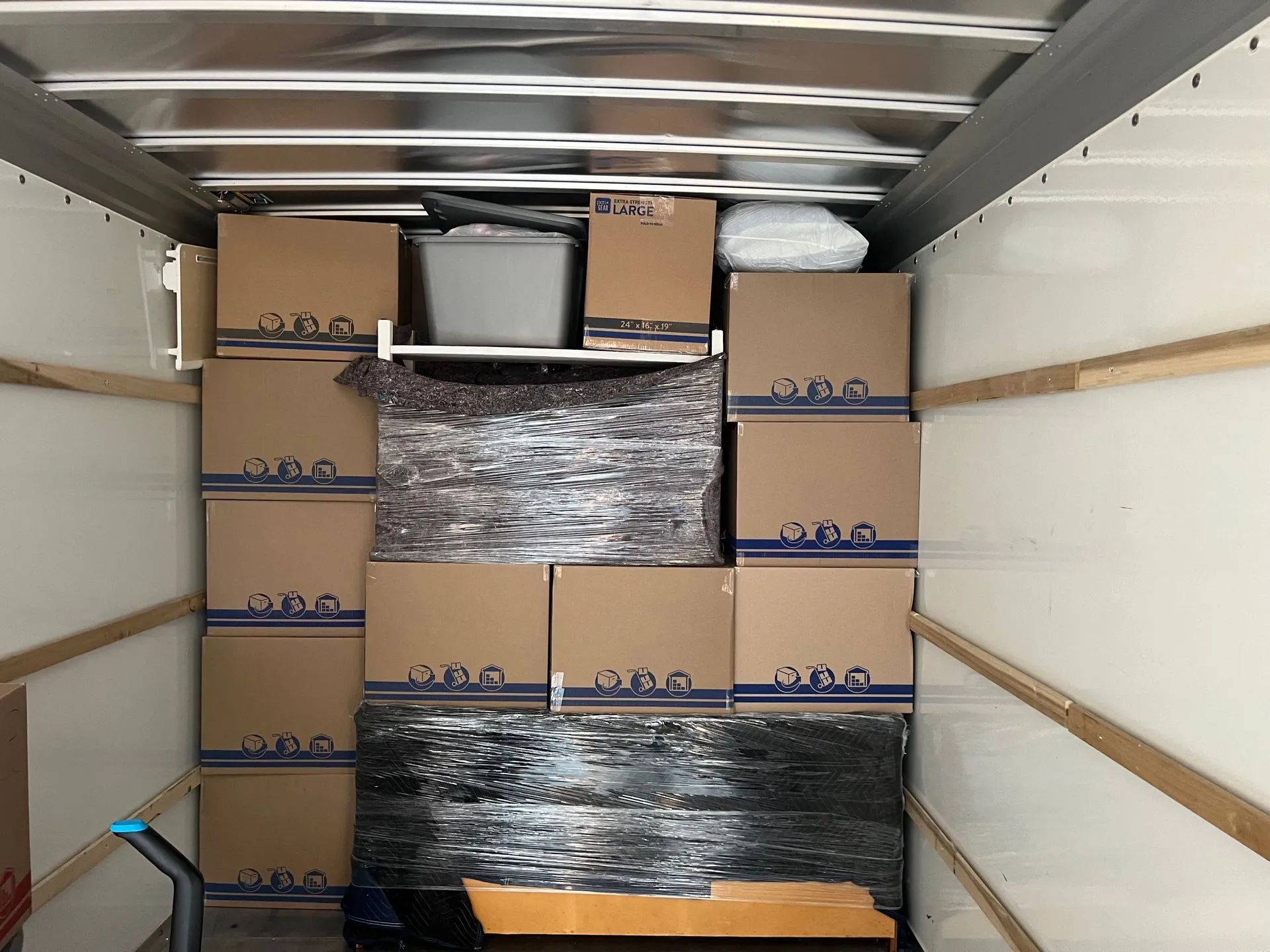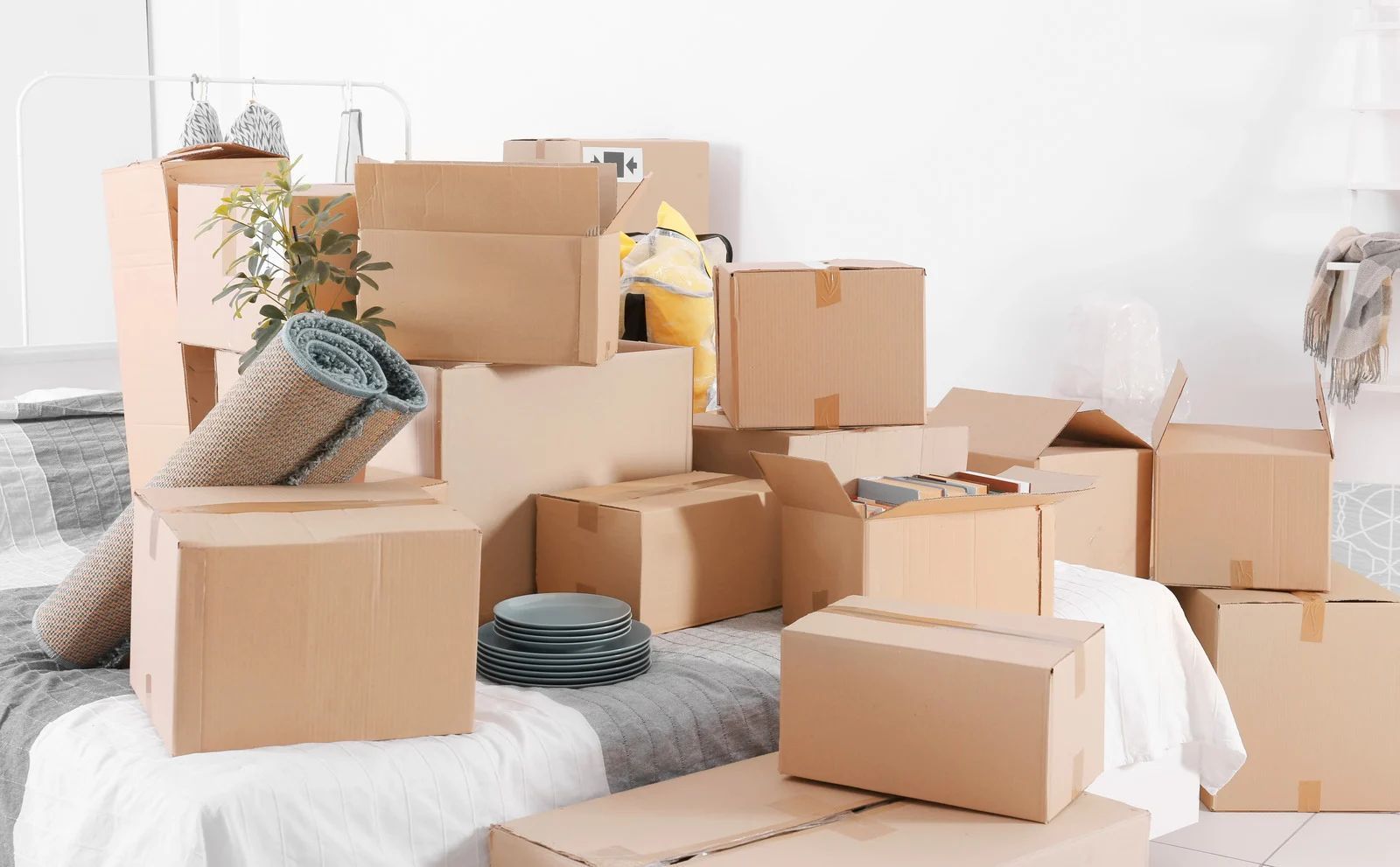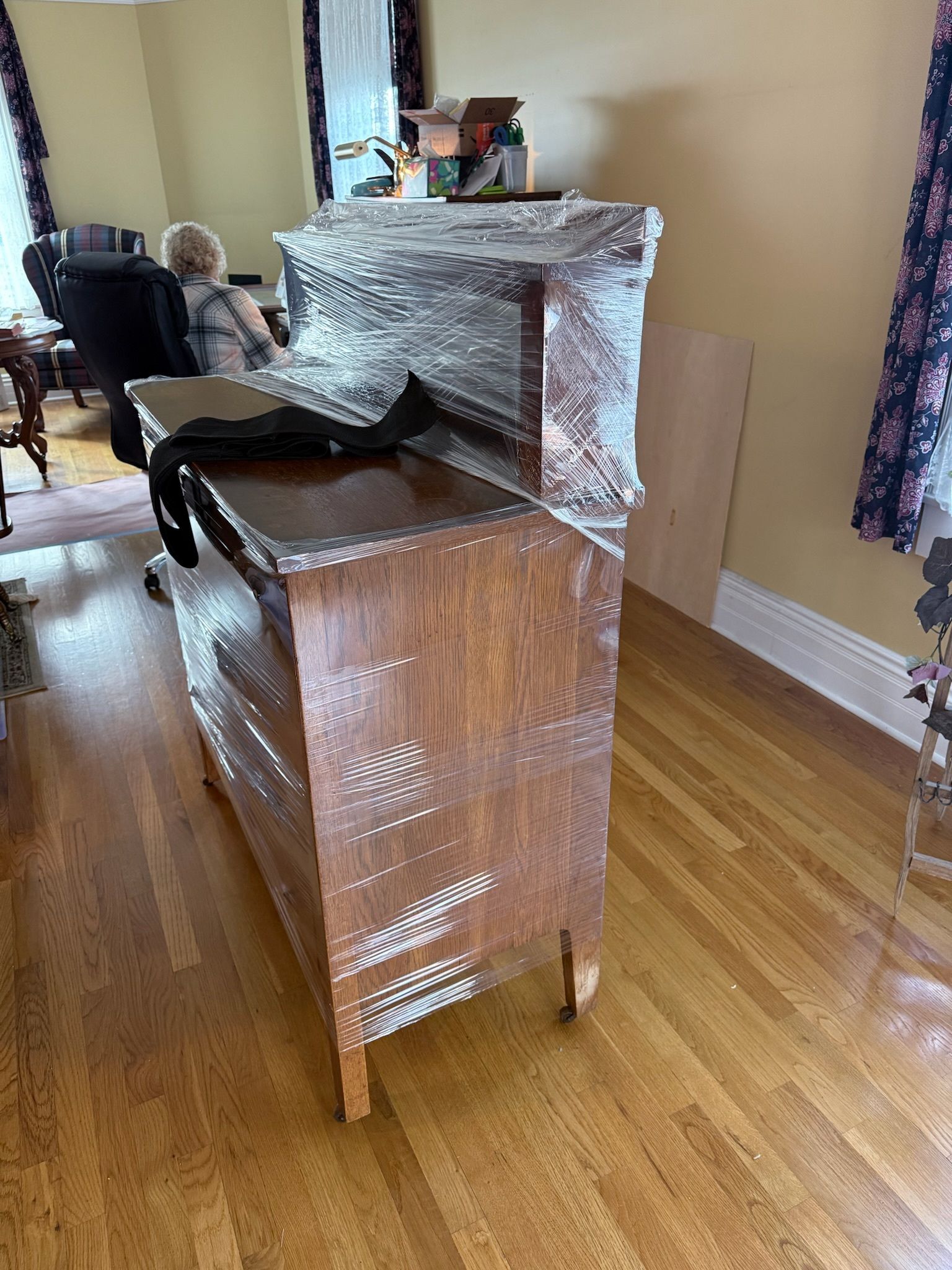
Packing the Kitchen for a Move? How to Box Dishes, Glasses, and Pantry
July 20, 2026
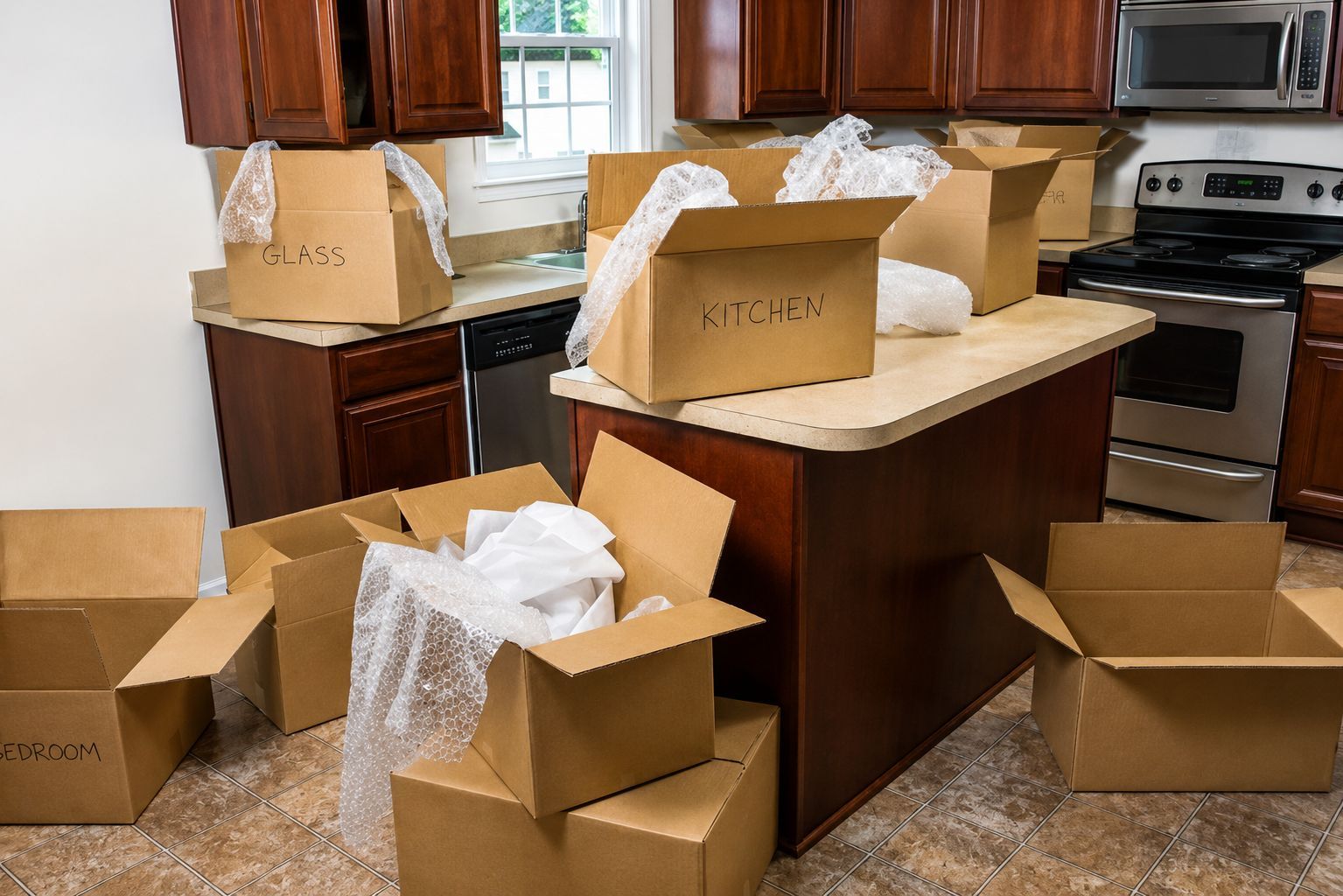
Quick Answer: Pack the kitchen last and unpack it first. Wrap plates and glasses individually in packing paper, stand plates on edge like records in small, well-taped boxes, and nest cups upright with crushed paper filling every gap. Sort the pantry before you box a single thing, transfer open dry goods into sealed containers, tape shaker and jar lids, and leave perishables and open liquids behind. Label every box by contents and room, mark the fragile ones, and keep one open-first box for your first night.
The cabinets are full, moving day is close, and the kitchen is the one room you have been avoiding. It makes sense. Between the plates, the wine glasses, the pantry that has been quietly collecting half-used spices for years, and the fact that you still need to eat until the truck shows up, the kitchen is the trickiest room in the house to pack. Professional organizers will tell you the kitchen is usually the last room packed and the first one unpacked, and that it can take the better part of a full day to box up properly.
Here in the Treasure Valley, a lot of moves happen fast. Boise, Meridian, and Nampa keep drawing new neighbors, homes turn over quickly, and plenty of local moves get scheduled with only a couple of weeks of lead time. That makes a
smart kitchen-packing plan worth its weight. Get it right and your dishes arrive whole, your pantry does not turn a box into a sticky mess, and unpacking feels like setup instead of salvage. Here is how to work through it, one category at a time.
Start by Sorting, Not Boxing
The biggest mistake people make in the kitchen is packing everything they own. Surveys of movers have found that close to half of people put off packing until the last minute, and the kitchen is exactly where that rush turns into hauling stuff you do not even want anymore.
Pull it all out first
Open every cabinet, drawer, and shelf and actually look at what you have. The chipped mug you never reach for, the third colander, the appliance still in its dusty box from two holidays ago. Moving is the natural moment to thin the herd, because every item you cut is one less thing to wrap, carry, and find a home for later.
Sort into keep, use up, and donate
Make three quick piles. Keep is what earns a spot on the truck. Use up is anything you can cook through in the final week. Donate is the unopened, unexpired food and the usable gear someone else could put to work. Local food banks around Ada and Canyon County are glad to take sealed, in-date pantry items you would rather not move.
Set your supplies before you wrap
You will move faster with everything staged: small sturdy boxes, plenty of packing paper, bubble wrap for the truly fragile pieces, tape, a marker, and a few airtight containers or heavy zip bags for open dry goods. Small boxes matter more than people expect, because dishes and canned goods get heavy fast and an overloaded box is the one that buckles at the worst moment.
How to Pack Plates and Bowls So Nothing Cracks
Plates fail when they are stacked flat and the weight presses down through the pile. The fix is simple once you know it.
Wrap each piece, then bundle
Lay a plate in the center of a sheet of packing paper and fold the corners over it. Do a few of the same size, stack them, flip the bundle onto another sheet, and wrap the whole group together. Wrapping individually first, then as a bundle, gives you two layers of cushioning without much extra time.
Stand plates on edge like records
Line the wrapped bundles vertically in a small box that you have cushioned with crushed paper on the bottom. Plates handle pressure far better on their edges than lying flat, so this one move prevents most of the cracks and chips that show up on the other end.
Treat bowls as the exception
Bowls are sturdier and can be nested on their bases in a row, with a little paper between them. Fill the top and every side gap with more crushed paper so nothing shifts, then tape the box and mark it fragile. A box that does not rattle when you gently rock it is a box packed right.
TIP: Do the plate-and-bowl boxes early in the week. They are heavy, slow, and the pieces you use least, so getting them out of the way frees you to focus on the everyday items in the final days before the truck arrives.
Glasses, Stemware, and Mugs
Glassware is where a rushed job shows up as a bag of shards. A few extra seconds per piece is the whole game.
Cushion the inside, then the outside
Gently stuff each cup and glass with a little crushed paper so the walls have support, then wrap the outside in another sheet. For anything with a stem or a handle, wind paper around that weak point first, since stems and handles are almost always the part that snaps.
Pack them standing up
Set glasses and mugs upright in a paper-lined box rather than laying them on their sides. Put the heavier, more durable pieces on the bottom and the delicate ones toward the top, and fill every gap so nothing can lean or knock into its neighbor.
Double-box your best stemware
For wine glasses or anything you would truly hate to lose, wrap and pack them in a small box, then set that box inside a larger one padded on all sides. The inner box takes the bumps so the glass does not. It is the same trick used for shipping fragile items, and it works.
Packing the Pantry Without the Mess
The pantry looks harmless until a flour bag splits or a syrup bottle tips, and suddenly the inside of a box is soup or a dust cloud. Group by type and the whole job gets calmer.
Sort by category first
Separate liquids, dry goods and powders, glass jars, canned goods, and light snacks. Packing similar things together keeps heavy items from crushing delicate ones and makes each box balanced and predictable.
Seal the powders and tape the tops
Transfer open bags of flour, sugar, rice, or pasta into airtight containers or heavy zip bags, and tape the lids on shakers and spice jars so they do not spill in transit. For an extra layer of insurance, slip powder products inside one larger bag before they go in the box. Load cans and heavy items on the bottom, lighter boxes and snacks on top.
Bag and cushion the liquids and glass
Tighten every lid, then put oils, sauces, and dressings each in their own sealed bag so a leak stays contained. Wrap glass jars individually and keep glass from touching glass, packing upright in a small, strong box with crushed paper filling the gaps. Snacks like chips and cereal ride best in a lighter box on top, away from anything that could flatten them.
WARNING: Leave perishables and open liquids off the truck. Most moving companies will not transport them, and for good reason. Fresh food, dairy, meat, and anything frozen risks spoiling, drawing pests, and creating a mess, while an open bottle of oil or sauce can leak and ruin whatever it touches. Use these up, donate the sealed extras, or move a small cooler yourself, keeping perishables below 40 degrees and unpacking them the moment you arrive.
The Odds and Ends: Knives, Pots, and Small Appliances
The last cabinet always hides the awkward stuff, and each type has its own quick method.
Bundle knives blade-safe
Point all the blades the same direction, use blade guards if you have them, and roll each group in a couple of layers of paper or bubble wrap before taping. Mark the bundle clearly so whoever opens the box knows there is a sharp edge waiting.
Nest your pots and pans
Stack pots and pans of graduating sizes inside one another with a sheet or two of paper between each, then wrap the nested set as a single bundle. It saves a surprising amount of space and keeps the surfaces from scratching.
Box appliances snug
Small appliances travel best in their original boxes, but if those are long gone, wrap each one, coil and tape its cord, and set it in a box with little room to slide. Give the toaster and the coffee maker a quick shake-out first so you are not moving last week's crumbs.
When to Hand the Kitchen Off
You can absolutely pack your own kitchen with time and patience. The honest truth is that it is the room that eats the most hours, and when you are also juggling work, kids, pets, and a move date bearing down, the kitchen becomes the thing that keeps you up the night before. A trained crew wraps fragile pieces quickly, packs boxes that do not shift, and labels everything so the new kitchen comes together in hours instead of days. If the calendar is tight or the cabinets are deep, that is exactly the kind of handoff worth making.
Frequently Asked Questions
In what order should I pack the kitchen?
Pack the kitchen last and unpack it first. Start early with pieces you rarely touch, like fine china and backup glassware. Save everyday plates and a pan or two for the morning the truck comes.
Should dishes be packed flat or on their edges?
Stand plates on their edges, lined up vertically like records in a small box. Plates handle side pressure far better than the downward weight of a flat stack. Bowls are the exception and can be nested.
Do I really need special dish boxes?
Not necessarily. Purpose-built dish boxes with dividers help, but a small, sturdy, well-taped box works just as well when you wrap each piece and fill every gap. The keys are small size, generous padding, and no shifting.
How do I pack open bags of flour, sugar, and spices?
Transfer open dry goods into airtight containers or heavy zip bags so they do not burst. Tape shakers and spice jars closed, then place powders inside one larger bag. Load these low and keep the weight manageable.
Which kitchen items should I not pack at all?
Skip perishables and open liquids. Fresh produce, dairy, and frozen food risk spoiling and attracting pests, and most movers refuse them. Open oils and sauces leak. Use them up, donate sealed extras, or move a cooler yourself.
How far ahead should I start on the kitchen?
Begin sorting the pantry about a month out, and start boxing rarely used items two to three weeks before. In the final week, cook through perishables and pack everyday pieces, leaving only an open-first box of basics.
Getting the Kitchen There in One Piece
The kitchen rewards a little patience and a clear order of operations. Sort before you box, wrap the fragile pieces one at a time, stand your plates on edge, tame the pantry by category, and label everything so unpacking is setup rather than a scavenger hunt. Do that and the trickiest room in the house becomes a stack of clean, organized boxes that lands in your new home ready to put away.
Book a packing crew for your kitchen — Hand off the wrapping, boxing, and labeling so your dishes, glassware, and pantry arrive whole and sorted, standing plates on edge, double-boxing your best stemware, and keeping open liquids and perishables off the truck. Serving Meridian, Idaho and the surrounding areas, Electric Monkey Moving
brings 6 years of full-service local moving, packing and unpacking, and junk removal across the Treasure Valley with a reliable, professional crew, so reach out to set up your move and let the kitchen be the easy part.