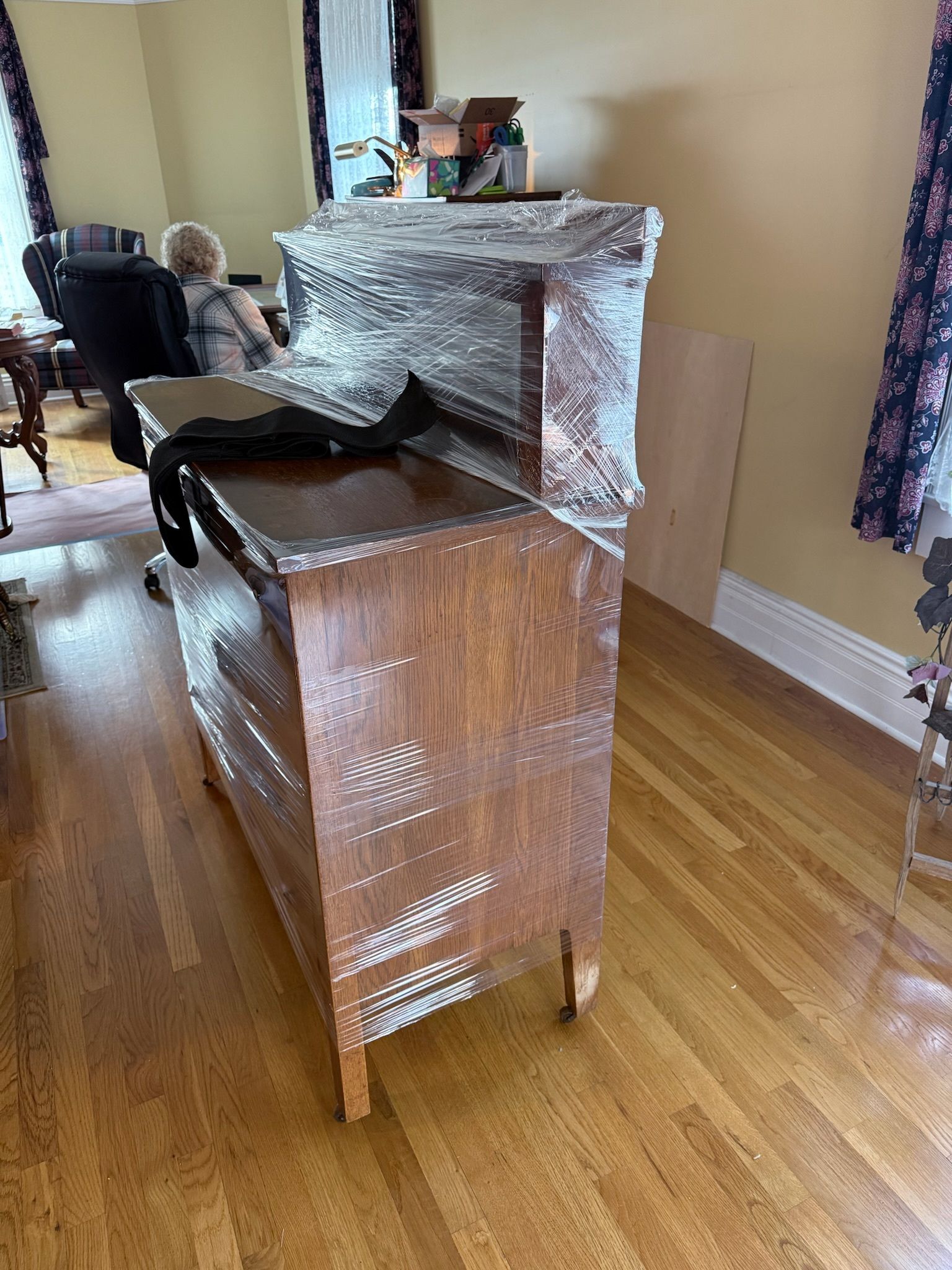
What Movers Never Pack in a Truck (and What To Do Instead)
September 28, 2026
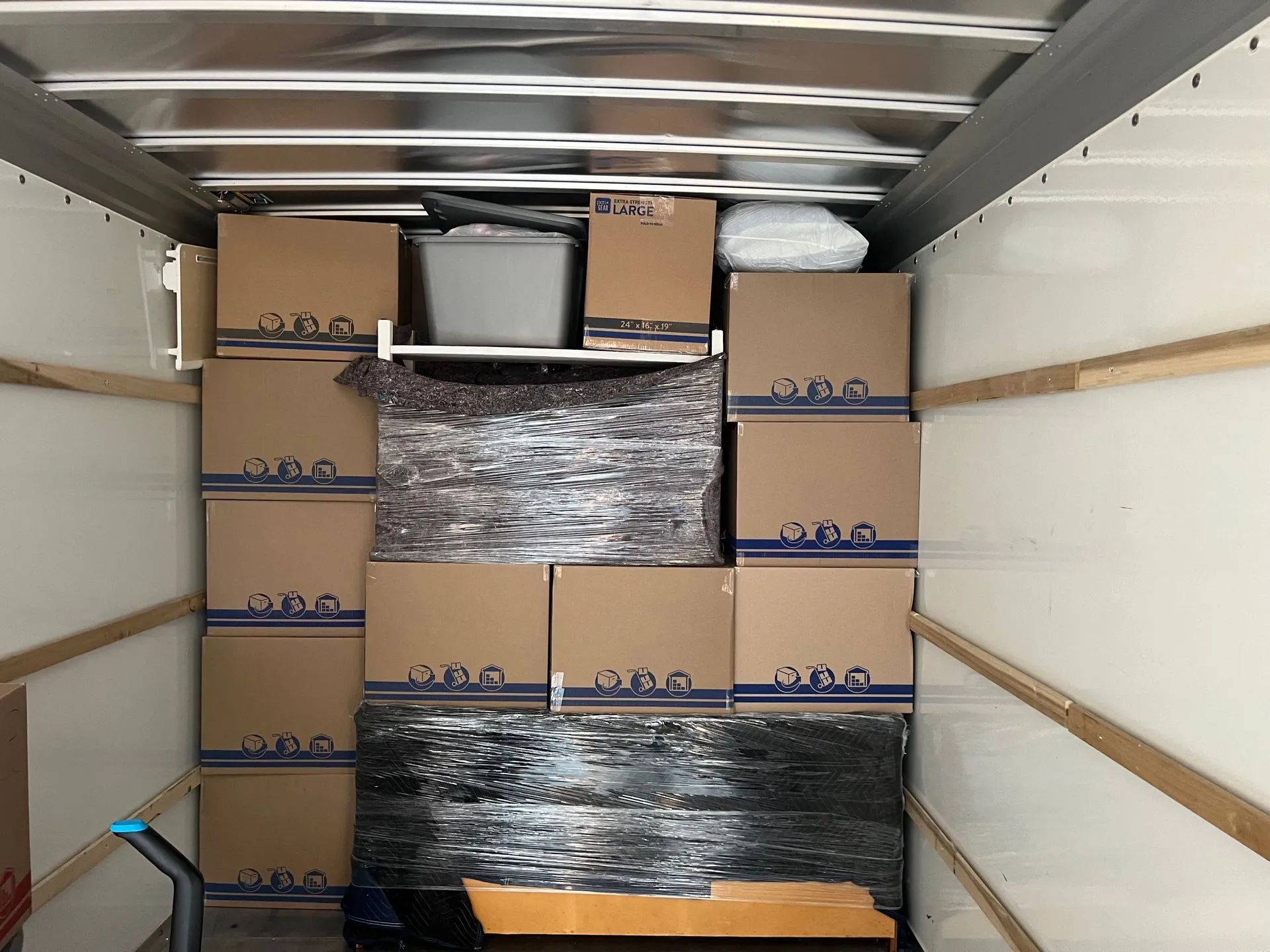
Quick Answer: Movers won't load hazardous materials, perishable food, live plants, or irreplaceable valuables onto the truck. That covers propane tanks, gasoline, car batteries, pool chemicals, ammunition, and fireworks, all barred under the federal hazardous materials rules that apply to household goods carriers. Lithium-ion batteries fall under those same rules, since the Department of Transportation classifies them as hazmat because a damaged cell can spark inside a sealed truck. Fresh food, frozen items, and houseplants get left behind too, because the cargo area isn't climate-controlled and a trip that runs a day or two will ruin them. Passports, jewelry, and cash are technically allowed on some crews' policies, but every reputable mover will ask you to carry them yourself. Knowing this list before moving day means one less scramble when the truck backs up to your driveway.
You're standing in the garage an hour before the truck shows up, a half-full propane tank in one hand and a coffee can of loose screws in the other, trying to figure out which pile either one belongs in. Behind you, three boxes of pantry food and a fern that's lived on the porch since spring are already stacked by the door, ready to go. None of it is getting loaded, and that's not because your crew is being difficult. Federal rules and plain fire safety draw a hard line around what can ride inside a moving truck, and most of that line runs straight through the garage, the utility closet, and the fridge.
Every professional crew works from roughly the same list, whether the move is across town or across the state. Some of it is obvious once you think about it. Some of it, like a swollen laptop battery or a can of pool shock, catches people off guard. Here's what actually stays off the truck, why it stays off, and what to do with it instead.
Why the Truck Has Rules at All
A moving truck is a sealed metal box that sits in the sun, gets loaded tight, and often rides for hours with no ventilation to speak of. That's a bad environment for anything flammable, corrosive, or under pressure. But the rules aren't a policy your crew made up to be cautious. Federal hazardous materials regulations, enforced through the Department of Transportation, cover any material that can pose an unreasonable risk to health, safety, or property in transit, and household goods carriers build their non-allowable lists straight from that standard.
Local movers and long-haul carriers land on nearly identical lists for a reason. A gas can that leaks in a hot truck, a battery that shorts against a metal frame, or a bag of fertilizer that reacts with moisture doesn't just threaten your belongings. It puts the crew and everyone else on the road behind that truck at risk. The list isn't about liability paperwork. It's about what happens if any of this actually goes wrong at 70 miles an hour.
The Fuels, Flames, and Chemicals That Stay Behind
Most of what gets left off the truck lives in the garage or under the kitchen sink, and it breaks down into a few clear groups.
Propane And Fuel
Full or partially full propane tanks, gas cans, kerosene, lighter fluid, and lamp oil all stay behind. A tank that looks empty can still hold enough vapor to be a problem, so "it's mostly used up" doesn't change the answer.
Paint And Solvents
Paint thinner, aerosol cans, nail polish remover, and anything labeled flammable on the can gets set aside. Unopened cans of latex paint are usually fine to keep, but anything with a solvent smell needs a different plan.
Yard And Pool Chemicals
Pesticides, weed killer, pool shock, and fertilizer are corrosive or reactive enough that they're grouped with cleaning chemicals like bleach and ammonia on nearly every mover's list.
Ammunition And Fireworks
Loaded firearms don't travel on the truck under any circumstances, and ammunition, gunpowder, and fireworks are treated the same way. Some crews will move an unloaded firearm with advance notice, but that's a conversation to have before moving day, not on it.
Batteries and Anything With a Charge
This is the category that surprises the most people, and it's grown fast as households pick up more battery-powered gear. Car batteries and other lead-acid batteries are corrosive and stay off the truck. So do loose household batteries in any quantity, since a box of them rattling around can short against each other.
Lithium-ion batteries deserve their own mention. The Department of Transportation regulates lithium batteries as a hazardous material under its Hazardous Materials Regulations, spelled out in 49 CFR Parts 171 through 180, because a damaged or defective cell can spark a fire even when the device it powers looks fine on the outside. That covers laptops, cordless power tools, e-bikes, scooters, and any of the battery packs that have become standard equipment in a lot of garages over the past few years. A battery that's dented, swollen, or hot to the touch is treated as an even bigger risk than a healthy one.
WARNING: A cracked, swollen, or overheating lithium battery is more dangerous than a working one. If a laptop, power tool, or e-bike battery is damaged in any of those ways, don't box it with the rest of your gear. Set it aside on its own and contact your local hazardous waste program before moving day.
What Won't Survive the Ride
The cargo area of a moving truck runs warm in summer and cold in winter, and it isn't built to keep anything alive or fresh. Fresh, frozen, or refrigerated food is off the list for that reason, along with opened food products that could spoil or attract pests over a multi-day haul. Some long-distance carriers will make an exception for perishables on a short move, usually only when the trip is under 150 miles and delivery happens within 24 hours of pickup, but that's the exception, not the rule most local movers plan around.
Live plants and pets never ride in the truck either. It's worth a separate conversation on its own, but the short version is they travel with you, in your own vehicle, at whatever temperature keeps them comfortable.
The Stuff That's Replaceable, Except It Isn't
Passports, birth certificates, deeds, wills, insurance policies, tax records, cash, checkbooks, and stock certificates aren't hazardous, and some crews will pack them if asked. Most won't recommend it, and for good reason. Coverage on a shipment typically excludes cash, jewelry, and irreplaceable documents, or caps what a claim can pay out on them, so a lost box means a real loss with no way to make it right. Jewelry, family heirlooms, and photo albums fall in the same bucket. None of it takes up much room, and it's worth a single bag or box that rides in your car instead of the truck.
Prescription medication, phones, laptops, chargers, and house keys belong in that same personal bag for a more practical reason. You'll want them within reach the moment you walk into the new place, not buried in a box somewhere in a truck that hasn't been unloaded yet.
What Your Crew Does With These Items on Moving Day
A packing crew that knows this list well doesn't just leave you to figure it out alone. Before boxes get taped shut, a good crew walks the garage, the kitchen, and the closets with you and flags anything that needs to go in a different pile. Fragile items that are staying get reinforced boxes and cushioning built for the trip, furniture gets disassembled and its hardware bagged and labeled, and everything that's staying gets sorted into a system that makes sense when the truck arrives at the other end.
TIP: Set out a single box or bag by the front door labeled "riding with me." Every non-allowable item, plus anything you're carrying yourself, goes there so nothing gets lost in the shuffle once boxes start moving.
Sorting this out ahead of time is what separates a smooth loading day from one where the truck sits half-packed while everyone digs through the garage looking for a place to put a propane tank. A crew that flags these items early isn't slowing the job down. They're the reason it doesn't stall out later.
Frequently Asked Questions
Can I put a propane tank on the moving truck?
No. A tank that seems empty can still hold enough gas to be a fire risk in a sealed truck. Take it to a hardware store running a tank exchange.
Will movers take my old car battery or household batteries?
No. Car batteries are corrosive and sit on nearly every mover's non-allowable list, while loose household batteries in bulk get the same treatment. Auto parts stores take old ones free.
What do I do with paint, cleaning chemicals, or pool supplies before I move?
Sort by whether they're still usable. Full containers can go to a neighbor, a swap, or a hazardous waste event, while unlabeled or half-used ones belong at a waste site.
Can movers transport lithium-ion batteries like laptops or e-bike batteries?
A battery installed inside a working device like a laptop or phone typically travels fine in a box. Spare, damaged, or recalled batteries count as hazmat and travel with you.
Should I pack jewelry, cash, or important documents in the moving truck?
You can, but it's not worth the risk. Shipment coverage usually excludes or caps claims on cash, jewelry, and irreplaceable documents, so a lost box means a real, unfixable loss.
What happens if I pack a hazardous item in a box without telling my crew?
At best, the crew catches it while loading and sets it aside, slowing moving day down. At worst, it travels unnoticed and creates a real safety risk in the truck.
Knowing the List Makes Moving Day Simple
Most of what lands on this list takes only an afternoon to sort, not a second move. A short walk through the garage, the cleaning closet, and the refrigerator a few days before loading day is enough to separate what rides on the truck from what needs its own plan. Once that sorting happens early, moving day stops turning into a scramble over a propane tank or a half used can of paint, and becomes a matter of simply loading what remains.
A crew that has spent 6
years learning these rules tends to catch the details before they turn into a problem. Electric Monkey Moving
works out of Meridian, ID, and that kind of local, hands on experience is what turns a list of federal hazmat rules into a routine part of how a home gets packed. The goal on any
moving
day stays simple: everything that can travel does, and everything that can't gets a plan long before the truck backs out of the driveway.