How to Plan a Stress-Free Long Distance Move: 7 Proven Tips
March 19, 2026
Planning a long distance move is more than just packing boxes and loading a truck. It’s a complex process that requires careful planning, organization, and foresight to ensure everything goes smoothly. From coordinating logistics to managing schedules, a long distance move can quickly become overwhelming if not approached strategically. Many people underestimate the mental and physical demands involved, leading to unnecessary stress, delays, and even financial strain. Understanding the steps and strategies to execute a move efficiently can make a world of difference, turning what might feel like a daunting experience into a manageable, even rewarding, transition.
In today’s fast-paced world, long distance relocations are increasingly common, whether for career opportunities, family commitments, or lifestyle changes. With so many moving parts, a structured plan is essential. This guide offers seven proven tips designed to minimize stress, save time, and ensure a successful move. Each tip addresses practical challenges, from decluttering and packing to hiring professional movers and managing schedules. By following these strategies, you can gain control over the moving process, reduce unforeseen complications, and enjoy a smoother, more organized relocation experience.
1. Start Planning Early: Laying the Foundation for Success
Assess Your Timeline and Key Dates
The first step in any long distance move is creating a detailed timeline. Determine your moving date and work backward, allocating time for packing, organizing, and arranging transportation. Consider work schedules, lease agreements, school enrollments, and other obligations that might influence your timeline. Planning early allows you to anticipate challenges, book services in advance, and avoid last-minute stress.
Create a Comprehensive Moving Checklist
A moving checklist is more than a to-do list; it’s your roadmap for a smooth relocation. Include tasks such as notifying utility companies, updating addresses, scheduling professional movers, and arranging vehicle transport. Break the checklist into weekly or daily milestones, and prioritize essential activities first. A well-structured checklist ensures no detail is overlooked and provides peace of mind throughout the process.
Benefits of Early Planning
Early planning reduces the likelihood of delays and cost overruns. Booking professional movers ahead of time ensures availability and often better pricing. Additionally, early preparation allows you to gradually declutter and pack, reducing the physical and emotional strain associated with last-minute packing. In essence, time is your most valuable asset when organizing a long distance move.
2. Declutter and Organize: Streamlining the Move
Evaluate Your Belongings
Before packing, assess which items are essential and which can be sold, donated, or discarded. Decluttering not only reduces the volume of items to move but also simplifies unpacking at your new home. Consider hosting a garage sale or using online marketplaces to offload items you no longer need, turning excess belongings into cash for moving expenses.
Organize by Category
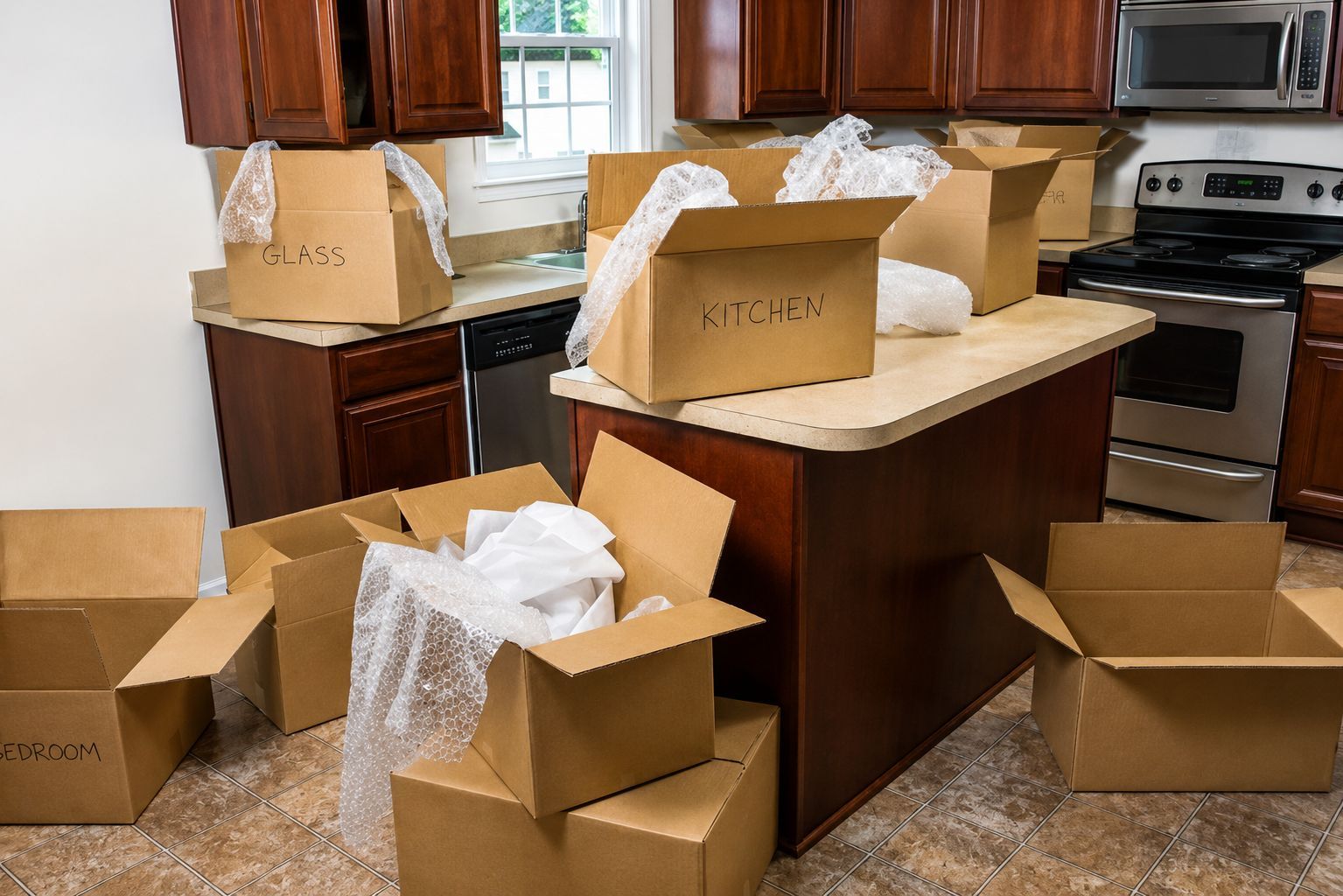
Grouping items by room or category makes packing more efficient and ensures fragile or valuable items receive proper attention. For example, pack kitchenware separately from books, and label boxes clearly. Using color-coded labels or numbering systems can further streamline unpacking, allowing you to prioritize essential items first at your new residence.
Benefits of a Decluttered Move
A decluttered move saves both time and money. Fewer items mean smaller packing and transportation costs, and organizing belongings reduces the likelihood of lost or damaged items. Moreover, starting fresh with a more streamlined collection of possessions can make settling into your new home less stressful and more enjoyable.
3. Packing Smart: Strategies for Efficiency and Safety
Invest in Quality Packing Materials
Using sturdy boxes, bubble wrap, packing paper, and high-quality tape is crucial for protecting your belongings. Specialty boxes for fragile items, wardrobes, and electronics prevent damage during transit. Remember, the cost of quality packing materials is small compared to replacing broken or lost items.
Pack Room by Room
Packing systematically by room helps maintain organization and clarity during the move. Start with items you use least frequently, such as seasonal decor or rarely used appliances, and leave daily essentials for last. This approach ensures a smoother transition and reduces the stress of not having access to necessary items during the moving process.
Label Clearly and Create an Inventory
Label each box with its contents and designated room in your new home. Creating a detailed inventory list ensures nothing is misplaced or forgotten. Include notes about fragile items and special handling instructions. An organized packing system simplifies the unloading process and allows you to prioritize essential items for immediate access.
Real-World Example
Many people underestimate the time required to pack properly. By dedicating one week to non-essential items, you can avoid the chaos of last-minute packing. For instance, packing out-of-season clothes early allows you to focus on kitchenware, toiletries, and work essentials closer to moving day.
4. Hiring Professional Movers: Ensuring Reliability and Safety
Research and Vet Movers
Choosing the right moving company is one of the most important decisions for a long distance move. Look for licensed and insured movers with positive customer reviews and proven experience. Request detailed estimates and clarify any potential fees or surcharges upfront. Avoid companies with vague policies or pressure tactics.
Understand Services Offered
Long distance movers often offer varying levels of service, including packing, transportation, unpacking, and storage. Determine what services are necessary for your situation and select a company that matches your needs. Full-service movers can save time and effort, while partial services allow you to control costs if you’re able to pack some items yourself.
Benefits of Professional Expertise
Experienced movers reduce the risk of damaged or lost items and ensure compliance with transportation regulations. Their expertise in handling large and fragile items, navigating logistics, and planning efficient routes can significantly alleviate stress. Investing in a reputable moving company ultimately saves time, energy, and potential headaches.
5. Manage Utilities, Documentation, and Schedules
Transfer or Set Up Utilities
Coordinating utilities such as electricity, gas, water, and internet at your new residence is critical. Schedule disconnections and new service activations to avoid disruptions. Consider overlapping service dates to ensure continuity during the transition.
Update Important Records
Changing your address with postal services, banks, insurance providers, and government agencies prevents delays or lost communications. Prepare documents such as identification, moving contracts, and medical records for easy access during transit. Keeping digital copies as backups can prevent administrative stress.
Create a Moving Day Schedule
Develop a clear timeline for moving day, including arrival times, loading and unloading sequences, and key contact numbers. Assign responsibilities to family members or helpers to streamline the process. A structured schedule minimizes confusion and ensures all tasks are completed efficiently.
Example Scenario
Imagine arriving at a new city without internet or electricity due to poor coordination. Planning ahead and confirming utility schedules prevents such issues, allowing you to settle in comfortably from day one.
6. Prepare for Travel and Settling In
Plan Your Route and Accommodation
If driving to your new location, plan your route, rest stops, and overnight stays in advance. Check for traffic patterns, road conditions, and parking availability near your new home. For air or train travel, ensure transportation for pets, luggage, and essential items is arranged.
Pack an Essentials Bag
Keep a separate bag for items you’ll need immediately, including toiletries, clothes, medications, important documents, electronics, and chargers. Having essentials readily accessible prevents last-minute stress and allows for a smoother first night in your new home.
Establish a Settling-In Plan
Prioritize unpacking critical areas such as the kitchen, bedrooms, and bathrooms. Setting up these spaces first ensures basic functionality and comfort. Gradually unpack non-essential items over the following days or weeks to avoid feeling overwhelmed.
7. Manage Stress and Maintain Flexibility
Expect the Unexpected
Even the best-planned moves can encounter delays, lost items, or logistical issues. Maintaining a flexible mindset helps manage stress and allows for quick problem-solving. Have contingency plans for weather delays, vehicle breakdowns, or rescheduling movers if needed.
Delegate Responsibilities
Don’t hesitate to delegate tasks to family, friends, or professional services. Assigning responsibilities like packing, organizing, or cleaning reduces your personal workload and allows you to focus on high-priority tasks. Team coordination ensures a smoother and faster moving process.
Maintain Health and Well-Being
Moving can be physically and mentally demanding. Schedule regular breaks, stay hydrated, and maintain a balanced diet during the relocation process. Incorporating stress-reducing practices like exercise or mindfulness can improve focus, energy, and overall efficiency.
Real-World Insight
Many movers underestimate the physical strain of lifting, carrying, and organizing items. Hiring professional movers and delegating non-essential tasks prevents injury and preserves energy, making the move more manageable and less stressful.
Reliable Professionals Delivering Stress-Free Moving Solutions
Executing a stress-free long distance move requires thorough planning, organization, and strategic decision-making. From early preparation and decluttering to efficient packing and hiring experienced movers, each step contributes to a smoother relocation process. Managing utilities, documentation, travel, and essential items ensures continuity and comfort during the transition. Additionally, maintaining flexibility and delegating tasks reduces stress and prevents burnout, making the overall experience more manageable. Following these seven proven tips allows individuals and families to move efficiently, safeguard their belongings, and settle into their new home with minimal disruption.
When you partner with Electric Monkey Moving, based in Meridian, Idaho, you gain the expertise of a moving company with 6
years of experience in long-distance relocations. Our team prioritizes reliability, professionalism, and personalized service, ensuring your move is handled safely and efficiently. From detailed planning and careful packing to secure transportation and timely delivery, we focus on delivering a seamless relocation experience. Trust Electric Monkey Moving
to manage every aspect of your move, allowing you to transition confidently and stress-free into your new home.